

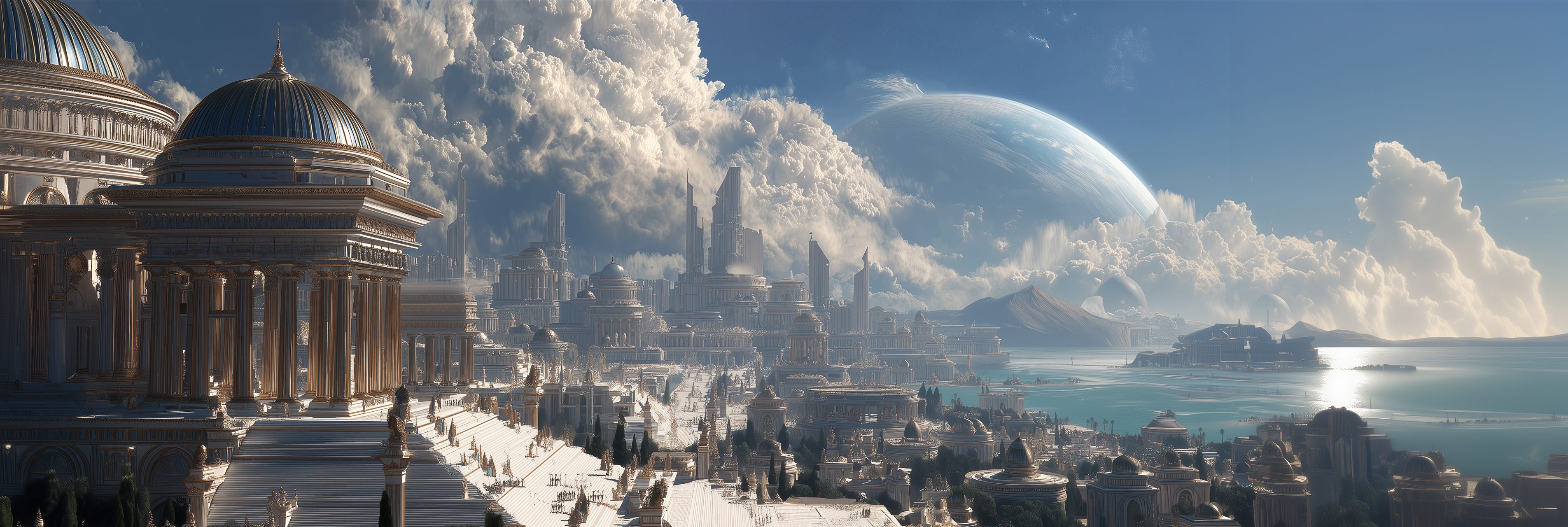
AI took sixty-plus years to reach its boiling point—the moment it became generally accepted by the masses. We called it the ChatGPT moment.
The metaverse is on the same trajectory. And I think we’re closer than most people realize.
But it won’t come from where everyone’s looking.
The Missing Merge
I’ve been building web applications and SaaS products for over a decade, with the last several years focused on the 3D internet. Long enough to watch every metaverse wave crash and burn.
Through the first VR cycle, the NFT hype, and a mountain of pitch decks, the same pattern keeps showing up: teams build a game that doesn’t act like the internet, or they build a website that doesn’t feel like a game.
Gaming companies build incredible worlds, but they’re walled gardens. You download an app, enter their universe, play by their rules. Rich, but isolated.
The internet is the opposite. Accessible by design—built on openness, connection, and utility. But the internet has never figured out how to be fun the way games are fun. And it’s never cracked spatial experiences.
Gaming has fun and 3D.
The internet has accessibility and utility.
Nobody has all four.
The metaverse doesn’t arrive as a VR headset, a token, or a marketplace. It arrives when the game sector and the internet sector truly converge.
The Four Pillars
Fun matters first. If it’s not fun, no one stays. This sounds obvious, but it’s the first thing sacrificed when technologists chase a new format.
3D spatial context isn’t a gimmick—it’s a user interface. We evolved in three dimensions. Navigation and recall improve when information sits in a place rather than a list. The value isn’t photorealism; it’s reducing cognitive load.
Accessibility is the internet’s superpower. Click a link and you’re there. No downloads. Accounts optional. Sessions start fast. If people can’t enter your world in one step, you’ve built a product, not a protocol.
Practical use cases make it stick. Chat, events, education, shopping, co-creation. The internet grew because it solved daily tasks, not because HTML was cool. The metaverse only works if being there feels better than scrolling a 2D grid.
Miss any one of these and you have a niche, not a platform.
The Graveyard of Almost
Think about every metaverse attempt of the past decade through this lens.
Meta’s Horizon had 3D and VR, but struggled on accessibility. You needed hardware, setup, patience. Region locks. Account requirements. It felt less like the world wide web and more like a corporate intranet.
Internal reports surfaced that employees didn’t know how to log in. If the team building the world doesn’t live in it, the product isn’t ready.
The Sandbox leaned into Web3 economies but missed the definition of its own name. It didn’t feel like a true sandbox. People called them ghost towns not just because no one was there, but because there was nothing to do.
In Minecraft, you have total freedom: block, dig, pile up. It’s Digital Lego. The Sandbox felt like a rigid level editor. You couldn’t truly reshape the terrain. People called them ghost towns not just because no one was there, but because there was nothing to do.
Minecraft is the gold standard for fun. 3D, spatial, true freedom. But it’s a walled garden behind an install wall. It’s not the internet.
You can’t tweet a link to a specific Minecraft block and have a friend standing next to you in ten seconds.
Each attempt grabbed one or two pieces. None understood you need the full combination—or you’ve built nothing.
The Loneliest Library
The Uncensored Library in Minecraft is one of the most powerful examples of the metaverse idea—and its fatal flaw.
It’s a digital cathedral to information. Inside, books censored by regimes around the world are preserved in 3D space. You can click on them and read banned articles. Free speech, preserved in a spatial archive.
Here’s the user journey I actually had:
I went to their website, heart rate up. This is exactly what spatial media is for. I found a big download button. It downloaded a 173 MB map file.
Not the game. A map file.
I said out loud, “What am I supposed to do with this?”
To use it, I needed to own Minecraft, install it, update it, and remember the arcane flow to import a custom map save. I’ve done that before. Most people—teachers, journalists, students—have not.
Let’s say you survive the setup. You load in. You enter this magnificent library. Sunlight streams through the glass. Marble everywhere. You walk forward, expecting the hum of a city...
And you’re completely alone.
No footsteps. No chat. No presence. Just you and a giant file.
It’s not a digital city if there are no people. The install wall turned a living museum into a static artifact. The lack of linking turned a civic square into a private gallery.
This is what’s at stake. Not just games. Not just entertainment. The ability to preserve and share human knowledge in spatial form—blocked by friction.
Why Now
Until recently, what I’m describing was a pipe dream. Today, it’s production-ready.
Remember RuneScape? Two decades ago, it was massive because it ran in the browser. Then hardware advanced. Native games leveraged GPUs that browsers couldn’t touch. Browser gaming died because it couldn’t keep up.
That gap has closed.
WebGPU gives browsers direct access to the GPU. Not the limited bridge that WebGL provided—actual low-level access to the graphics card. The browser can finally offload heavy rendering while the CPU handles game logic.
This matters for one specific reason: sandbox gameplay requires serious computation. Minecraft works because you can dig, pile, and reshape the world. That’s expensive. WebGPU’s compute shaders let us run massive voxel operations and physics directly on the GPU. We can finally build Digital Lego experiences that run in a browser tab.
WebAssembly handles the rest. C++ and Rust now run in the browser at near-native speed. Physics engines like Rapier work. Chrome led, Firefox followed, Safari recently added support.
The last decade’s bottleneck wasn’t bandwidth. It was compute and a fragmented ecosystem. Both problems are solved.
But here’s what matters: the browser is the starting point, not the destination. True convergence means meeting people wherever they are—console, mobile, PC, browser. The internet doesn’t care what device you’re on. Neither should the metaverse.
The install wall is now optional across all of them.
The Proof
Network effects can’t compound behind an install wall. We’ve been in a “Metaverse Winter,” just like AI was for sixty years. The tipping point comes when 3D worlds become links.
We don’t need more walled gardens. We need to expand the addressable audience from 300 million core gamers with high-end rigs to 5.5 billion internet users with a browser.
I didn’t want to write another think piece about what could be done. I wanted to build the proof.
SpaceZero is the browser-native world. No downloads. No install walls. You click a link and you’re inside a physics-enabled environment with other people. One click, real presence.
We’re in alpha. Early prototype, but live—and it proves the friction is gone.
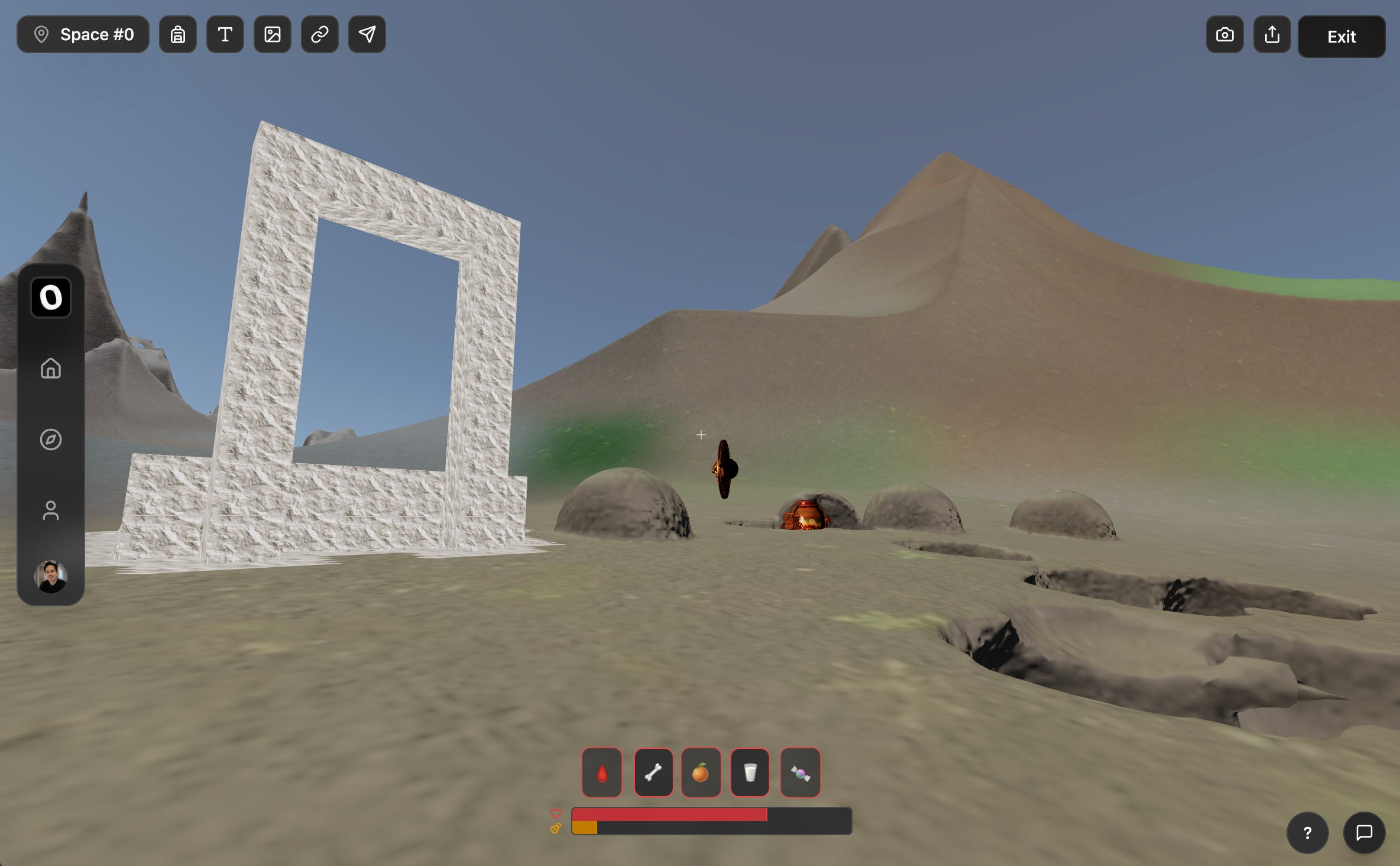
Try the alpha: https://0.space
ZeroCap is the bridge. A companion app that turns your phone into a creation engine. Snap a photo, and it becomes a physics-ready 3D object you can drop directly into the browser world.
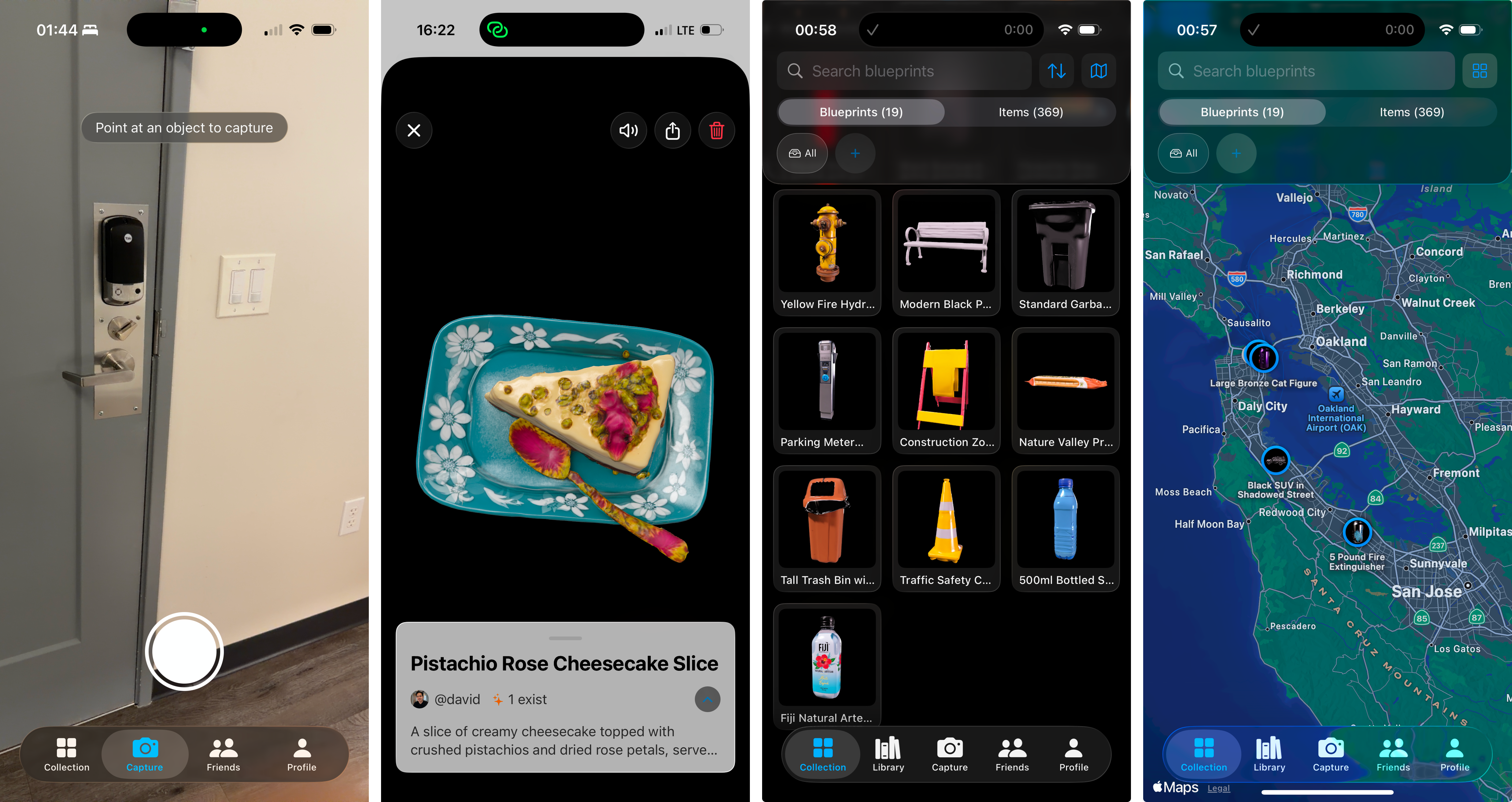
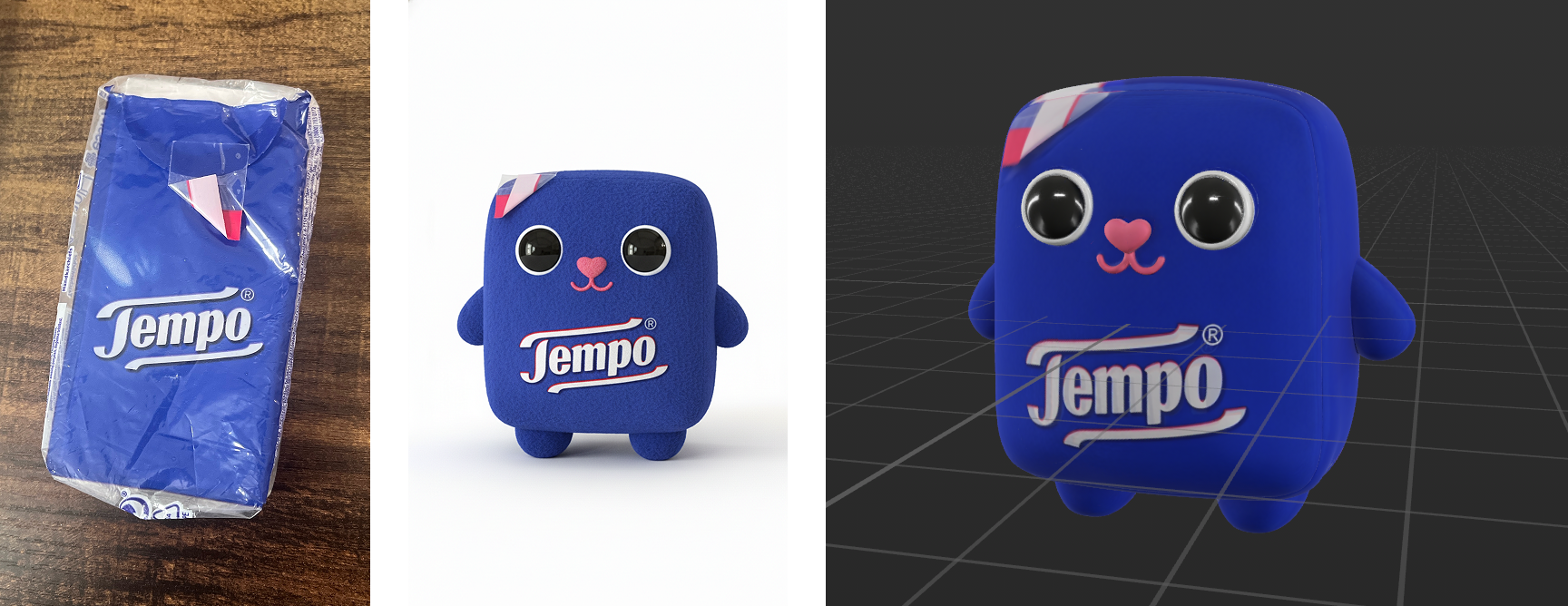
Get the app: https://apps.apple.com/us/app/zerocap/id6757377374
The install wall is optional. The browser is ready. The convergence is starting.
When games finally become internet, we won’t be debating whether the metaverse is real anymore.
We’ll just be living in it.
I’ve been building for the open web for over a decade. If you’re thinking about where it converges with games and spatial computing, I’d love to hear your take.
One day i just working as a employed blockchain BD. I just in there the metaverse just get hype with NFT Token economic and Web3, just begins make a connection and make they own Users and Market. I really love the game and I challenged the blockchain startup before when it’s get a hype. So i just got interested those Metaverse projects. And gratefully company makes a deals that a invest to them, so i charge to what they truly are.
I was Really Sooooo disappointed them. The they called “our game” “our world” it’s a not even close the game. just 3D or 2D image assets is can drag or click!
in my head, the metaverse is some how evolved concepts of game that more gave realistic or deep experience to users, more and more like then in real life experience
Of course that was just beta or prototype version. But the reasons why i disappointed is too much, too huge market cap of they’re Token. I just felt the users is not a user of it, Just a interested high profits from the token.
some years later they are add features about likes leveling systems for users characters. But it’s still not a gave me experience it’s a some other world.
that’s why Space zero is so interested project for me, i Naver thought how Useful a web ecosystems are fit in metaverse vision make comes real world.
I used to have similar opinions for a while but now I think differently. Can we have a coffee chat? I want to exchange our thoughts. Here is my website https://callmejustdodo.com/ and my ig is @callmejustdodo